Back then, over-wetting carpets was very common. The chemicals used were often harsh and the machinery was less sophisticated and powerful compared to today.
However, over-wetting the carpet is still a very common problem today and some people aren’t aware of the issues it would cause. Let’s discuss more about it here.
Common causes of over-wetting carpets
-
 Underpowered or Rental Machines
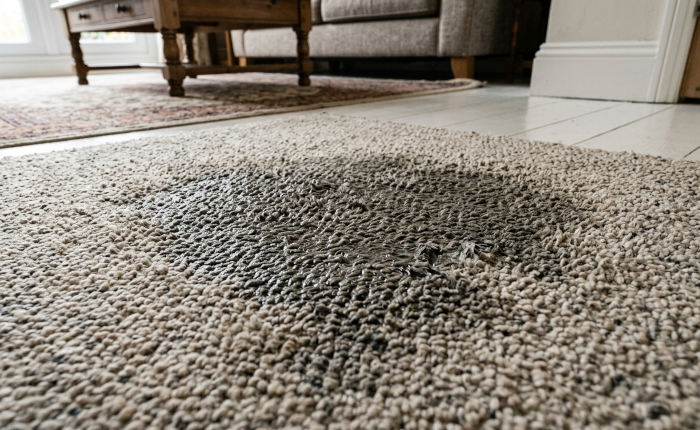
Rental units and low-performance extractors often lack sufficient vacuum lift to recover moisture effectively. They spray water but cannot remove it efficiently.
- Too Much Chemical
Over-application of detergent leaves residue behind. Residue attracts dirt and encourages over-wetting because cleaners compensate by adding more water.
- Poor Extraction Technique
Fast passes, skipping dry strokes, and improper wand angle all leave water behind. Technique matters as much as equipment.
- No Rinse Pass
Failing to rinse means detergent stays in the carpet, increasing moisture retention and soil attraction.
- Lack of Airflow
Even well-cleaned carpets need airflow. Without proper drying, moisture lingers where you cannot see it. Source: Kleen Kuip
Effects of over-wetting carpeting
Over-wetting carpeting has all sorts of implications, none of which is conducive to a healthy home or a positive bank balance.
Mold and mildew thrive in damp conditions. Mycotoxins produced by minute fungi give off an unpleasant odor that can impregnate the carpet fiber. This means throwing away the carpet or calling in an experienced cleaning team to eradicate the smell.
Then there’s the health factor. Exposure to mold spores is unhealthy, even in the short term. This is especially true for people who suffer from respiratory problems and allergies.
Excessive dampness can destroy a woolen carpet. If it’s not dried properly, the moisture wicks up through the carpet backing, causing ugly discoloration that is virtually impossible to remove.
When saturated, the backing of carpet is prone to shrinkage. If it’s a fitted carpet, that usually means replacing the entire floor area, not just the sodden part. Source: Chelsea Cleaning
What to do if your carpet gets wet
- Act Fast to Prevent Damage
The first step when dealing with a wet carpet is to act quickly. The longer water sits, the greater the risk of damage to your carpeting and the underlying flooring. Start by blotting the wet area with towels or using a damp/dry vacuum to remove as much water as possible.
- Dry the Area Thoroughly
Once you’ve removed the excess water, it’s time to dry the carpet. Use fans, dehumidifiers, and open windows to increase airflow. You may need to rent or purchase high-powered carpet dryers for larger areas. Ensure the carpet is completely dry to prevent mold growth.
- Clean and Sanitize
After drying, it’s essential to clean and sanitize the affected area. Use a carpet cleaner or a mixture of mild detergent and water to clean the carpet fibers. If the water is contaminated, consider professional cleaning services to ensure all bacteria and pollutants are removed.
- Check for Mold and Mildew
Even if you’ve dried the carpet thoroughly, mold and mildew can still develop, especially if the water sat for more than 24 hours. Inspect the carpet and padding underneath for any signs of mold. If you detect mold, it’s best to consult a professional to address the problem immediately.
- Replace Damaged Carpet
In cases where the carpet has been severely damaged or mold has developed, replacement may be necessary. Consult with your local carpet store to explore your options. Replacing only the affected sections might be possible, or you may need to replace the entire carpet. Source: Empresa Floors
If ever the over-wetting issue has caused some problems for your carpets already, then you can have someone handle it professionally for you. Just get in touch with us here at Curlys Carpet Repair and we’ll resolve it in no time!