Textured tiles are a great flooring option because they are durable, safe, and stylish when it’s properly maintained. However, they can be a bit tricky to clean because the texture can easily hide the dirt. But once you have the right tools and method, then cleaning them should be a breeze.
What is Textured Tile?
First off, what do we mean when we say “textured tile?” Textured tile refers to any flooring surface that isn’t perfectly smooth or polished. Textured flooring is a safer option, particularly in areas that often get wet, like kitchens or bathrooms, because it’s much less slippery.
Here are a few examples of the most common textured floor tiles:
- Wood-Look Tile
Porcelain or ceramic tile that is designed to resemble wood planks or parquet is an increasingly popular flooring option. The best examples are almost indistinguishable from the real thing, but faux wood tile is totally resistant to water and never needs to be refinished. It’s an excellent choice for kitchens, bathrooms, mudrooms and even living spaces.
- Natural Stone
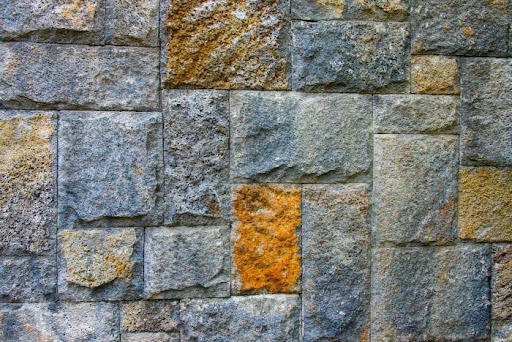
Cut into uniform shapes, natural stone tile adds classic good looks to any room. Stone like slate, granite, quartzite, travertine, sandstone, and marble are popular choices. Some are polished slick, but for damp areas, I recommend more of a honed or tumbled finish. Some natural stones may have their own cleaning requirements, but the steam method outlined below is usually a safe choice because it is chemical-free and won’t react with the stone. Source: CRD Design Build
How to Deep-Clean Textured Tile & Grout
If you have tried the steam-cleaning method above and your textured tiles or grout lines still look dirty, it may be time for a deeper clean. Here’s an effective DIY method using baking soda and vinegar:
Step 1: Vacuum or Sweep
Remove loose dirt. Vacuum or sweep dust and debris from the floor. For sweeping, use a soft bristle broom and sweep in two directions. Follow the path of the tiles first, then sweep diagonally to ensure a thorough cleaning. If you have previously applied tile sealer or polish over dirty tiles or grout, you will have to use a removal product before deep cleaning. (See the “Stripping floor polish” section above.)
Step 2: Make a Baking Soda Paste
Mix baking soda with water to create a paste. This natural abrasive is safe and effective for scrubbing away dirt and stains.
Step 3: Scrub the Tile and Grout
Dip a handheld scrub brush with fairly soft bristles into the paste and scrub it into the tile, focusing especially on any obvious stains and the grout.
Step 4: Make a Vinegar Solution
While the baking soda mixture begins to do its work, mix up a 50-50 solution of distilled vinegar and water in a spray bottle. Spray it liberally over your baking-soda-covered tile. You will see the acid in the vinegar react with the alkaline baking soda mixture and fizz up. The fizzing reaction helps lift dirt and grime without harsh chemicals. Do some more scrubbing and then let the mixture sit for about five minutes.
Step 5: Rinse Thoroughly
Now it’s time to rinse. Fill a clean bucket with fresh water and grab a mop. Make sure your mop head is clean or else you will just be adding dirt back to your floor. Use the wet mop to remove all the baking soda and vinegar from the floor. Rinse the mop frequently in the bucket and wring it out. As soon as the rinse water becomes visibly dirty, dump it out and refill the bucket with fresh water. Source: CRD Design Build
How Often Should You Clean Tile Floors?
Your cleaning needs depend largely on your household’s habits and foot traffic, but regular tile cleaning is essential to maintaining your tile flooring and keeping the work light on cleaning day. If you vacuum or sweep a few times a week — or at the first signs of dirt and debris — then you should really only need to mop every one to two weeks. The longer you wait between cleanings, the longer it’ll take to remove stuck-on grime and restore shine the next time. Source: Good Housekeeping
We hope that this guide has been helpful to textured floor tile owners and that you will be able to maintain this type of flooring effectively. If you need more help on maintenance, check out our other blogs or get in touch with our professionals today!