Hardwood floors are the crowning glory of any home because they’re beautiful, shiny, and rich in hue and character. Despite their beauty, these floors can be a bit challenging to clean. They require constant care, and you need to understand which products are safe and unsafe in cleaning them.
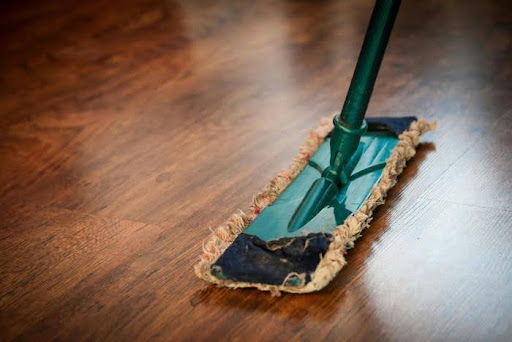
So, to ensure you won’t damage your precious hardwood floors, here are the things you shouldn’t do or use when cleaning them:
Steam cleaners are not safe for wood floors
No matter how emphatic the sales pitch on TV, or how convincing the paid actor is, we know the truth– that water and wood do not mix–in any form. That’s especially the case when it’s super-heated and injected between the edges between flooring boards!
A steam cleaner will certainly get your floors clean and shiny, but the added moisture to your floors can cause the same and worse issues as wet mopping. Not to mention that most flooring manufacturer’s warranty is void if steam mops have been used on the floor.
Most factory and on-site applied finishes for wood floors are not designed to withstand extreme moist temperatures. Finish can bubble, peel, flake, or become discolored if exposed to high heat.
For tough stains or grime, use a wood floor cleaning solution and a damp rag. Save the steam cleaner for your tile or vinyl flooring! Source: RW Supply + Design, LLC
Wet mops: The #1 source of damage to finishes
Although people might think that sloshing a soaking wet mop back and forth over their floors is a good idea, this will actually ruin the finish and damage the wood itself. A mop that is used to clean hardwood floors should only be slightly damp.
Vinegar is good for cleaning many things, but not hardwood floors
White vinegar was once a popular product used to clean hardwood floors. And a quick Google search reveals that a lot of people still recommend using it. But vinegar should not be used as a hardwood floor cleaner because its acidity can lead to etching in the wood’s surface. Source: City Floor Supply
Abrasive cleaners or pads
Abrasives are another category that can be indispensable when tackling stains on surfaces in and around the household. But your wood floors should never be one of those. And this applies to both abrasive cleaning solutions and tools.
It’s no secret how abrasive cleaners—like the popular powdered versions commonly found under the kitchen sink—can make short work of the thickest layers of baked-on grease. In fact, it’s right there in the description: “abrasive.” Unlike soaps and solvents, which rely solely on chemistry to cut through stains, abrasive cleaners use physical violence. The abrasive material in the cleaner literally scrapes the grease or dirt off of the surface they’re stuck to. And about that abrasive ingredient. In most powdered cleaners, the active ingredient is calcium carbonate, which is an extremely hard mineral—nearly as hard as marble! So, if you wouldn’t think of using a hunk of stone as a hardwood floor cleaner, you shouldn’t consider an abrasive cleaner either. Source: Empire Today
Make sure to only use the right method/cleaners when you want your hardwood floors to be well-maintained. If ever it needs some professional maintenance, then we can help you with that. Just give us a call and we’ll assist you as soon as we can!