What To Do When Your Carpet Got Flooded
When your carpet gets flooded, there’s no doubt that there will be some water damage. The main risks you’re going to face here are mold and mildew, which can emit a terrible smell and may even cause adverse health effects.
It is important that you act right away and that your carpets should be completely dry within 48 hours right after it gets flooded to protect it from mold growth. To educate you further from this scenario, here is a guide on what to do after your carpet gets flooded:
Take Immediate Action
In any situation, taking immediate action can make all the difference. This is especially true when dealing with a carpet that has been flooded with debris and contaminants as well as water. Whether caused by a burst pipe or heavy rain, leaving the carpet wet for too long can lead to mold, mildew, and permanent damage. Acting and starting the flooded carpet cleaning process is essential.
With the help of professional cleaning services, you can ensure that your carpet is thoroughly cleaned and dried, preventing any long-term issues. So, don’t hesitate – take immediate action to protect your carpet and keep your home clean and healthy. Source: I Clean Carpets And Windows
What To Do
- Remove Excess Water
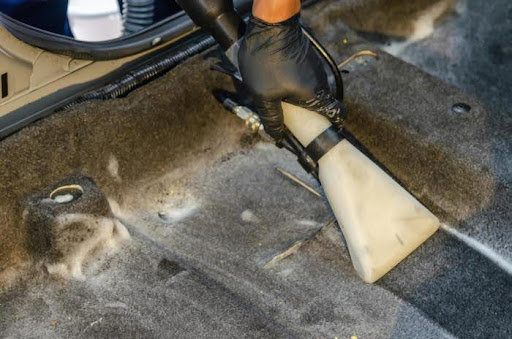
With removing water from the carpet, it’s best to act fast and thoroughly. If the flood or water damage is still pretty fresh, and you can see water sitting on the carpet, your first step is to remove that excess water. If you have a wet/dry vacuum handy, get it going and try to remove as much of the water as possible. Of course, a squeegee is an alternative option if you don’t have a wet/dry vacuum, this just demands a bit more manpower – but hey if you’re feeling up to the challenge then go for it!
- Dry & Dehumidify
When it comes to an enclosed space soaked with water, your damp home and carpets will be craving some airflow to begin drying. Open up all your doors and windows (where appropriate if there’s still heavy rain). If you’ve got fans in the house, set these up and get them circulating air throughout. And of course, a dehumidifier is ideal to set up in the room/s with affected carpet – those things are designed to suck water out of the air! Source: Jae
- Dry the Carpet
There are a number of different ways to dry a flooded carpet. The first is to simply let it air dry. This can take a few days, depending on the size of the carpet and the amount of water that it has been soaked in.
Another option is to use floor or ceiling fans to help speed up the drying process. If you can’t get the carpet thoroughly dried, you may need to remove it. This will present the formation of nasty mold and other pathogens that could make the room unsafe to live in.
- Evaluate Carpet Underlay
This is a crucial step in taking care of a flooded carpet in order to prevent nasty mold growth. Once you’ve moved your furniture, removed excess water, and allowed the carpet to thoroughly dry, you’ll need to inspect the underlay underneath the carpet to ensure it’s salvageable.
Even if the carpet can be saved, the underlay may need to be replaced. Source: Restate
If you need a professional’s help for this kind of problem, don’t hesitate to give us a call! We understand that handling a flooded carpet can be a tedious job so it’s best to get in touch with professionals like us.