
Is it possible to save a carpet after it has been drenched in water? This is the question that goes into every homeowner’s mind when they see water covering their floors. Well, that depends on the situation, like how long it has been wet or what type of water it was contaminated in with. Once you understand the situation, then you’ll be able to make the right decision quickly.
How Long Has It Been Wet?
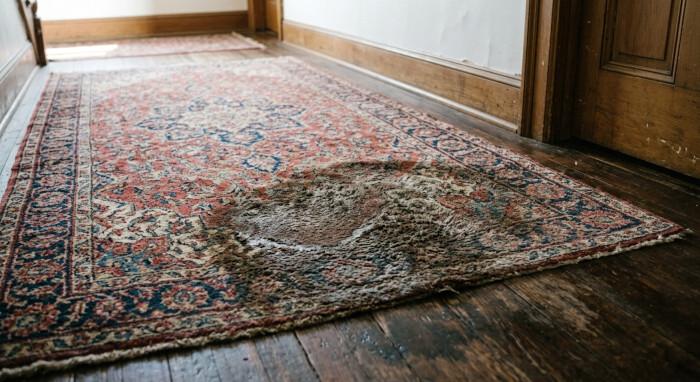 Like anything else that has water damage, the amount of time plays a big factor. The faster you can dry out your carpets, the more likely it is that you can save them. If your carpets have been wet for 72 hours or more, then it is best to throw them out. After you hit the 72-hour mark, the chances of mold go up significantly, especially if you have padding.
What Type of Water?
There are three different categories of water when it comes to flooding. The 1st category is clean water (sink, tub, or supply line). If the water comes from this category, then your carpets have a greater chance of being saved. But if the water comes from a category 3 (sewer, toilet, or outside water), then you will have to throw your carpets out. It is best to call water damage professional to know what type of water you are dealing with. Source: Kelley Klean
Steps to Take When Carpet Gets Water Damaged
If you discover water damage, act quickly:
- Stop the water source – Turn off the mains or fix the leak.
- Remove excess water – Use towels, a wet vacuum, or pumps if flooding is severe.
- Dry the carpet – Open windows, use fans, and hire dehumidifiers to speed up drying.
- Lift the carpet – If heavily soaked, lift it to dry the underlay and subfloor.
- Disinfect the area – Use appropriate cleaning agents to prevent bacteria and mould.
- Call professionals – For severe cases or contaminated water, professional restoration is essential. Source: Disaster Care Capital
When to Call Certified Professionals
- The water is in Category 2 or 3. Floodwater is categorized based on the source and how contaminated it is. Category 1 water comes from a sanitary source, while Category 2 or “gray water” is more contaminated and can include overflows from appliances such as dishwashers and washing machines, toilet bowls without feces, and broken aquariums. Category 3 or black water includes sewage, seawater flooding, toilet backflows from beyond the toilet trap, and weather-related sources.
- Saturation reaches the carpet pad or subfloor. Moisture that gets hidden or trapped at this level breeds mold. You will need professional cleaning to tackle the issue and reduce the risk of serious damage to your floor.
- Your HVAC system or walls are wet. Structural drying requires commercial-grade equipment. Call a water damage restoration company for the walls and an HVAC technician for your HVAC system. Source: Direct Carpet Cleaning
We hope that you’ve made the right assessment for your carpet and come up with the ideal solution for it. If ever you need help with what to do with it, then don’t hesitate to reach out to us for the right fix. Just call the number below and we’ll respond to your situation as soon as possible!